
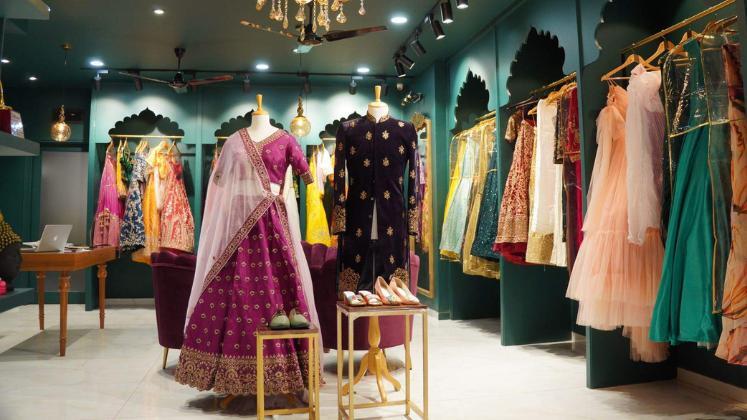
Ethnic wear design trends have evolved dramatically over the past few years, combining tradition with modern style sensibilities. Designers are now experimenting with vibrant colors, innovative fabrics, and contemporary cuts while maintaining the essence of ethnic artistry.
Exploring these ethnic wear design trends allows fashion enthusiasts to stay updated, blend heritage with personal style, and create unique looks for weddings, festivals, or casual occasions.
The Revival of Handcrafted Fabrics
A key aspect of current ethnic wear design trends is the emphasis on handcrafted fabrics. Traditional weaving, embroidery, and block printing techniques are making a strong comeback, adding authenticity and texture to modern silhouettes.
Artisans specializing in techniques like Zardozi, Kantha, and Chikankari are experiencing renewed demand. By integrating these styles into contemporary clothing, designers ensure that craftsmanship remains relevant in today’s fashion industry.
Fusion of Traditional and Modern Silhouettes
Modern ethnic wear design trends focus on blending classic silhouettes with contemporary cuts. Designers experiment with asymmetric hems, layered garments, and structured tailoring, creating outfits that honor tradition while appealing to a modern audience.
For instance, a traditional saree may be paired with a pre-draped blouse or jacket-style top, offering convenience without compromising on elegance. This fusion approach is particularly popular among urban youth seeking versatile and stylish ethnic wear.
Bold Colors and Patterns
Color is a major element in ethnic wear design trends. Vibrant hues like mustard, teal, fuchsia, and emerald dominate the fashion scene, while pastels are preferred for subtle elegance. Intricate patterns, including florals, geometric shapes, and abstract motifs, enhance visual appeal.
Color-blocking, gradient effects, and digitally printed designs are also emerging trends, adding a modern twist to traditional attire. The careful combination of colors and patterns reflects a blend of heritage aesthetics and contemporary tastes.
Sustainable and Eco-Friendly Choices
Sustainability is becoming central to ethnic wear design trends. Designers now emphasize organic fabrics, natural dyes, and eco-conscious production methods to reduce environmental impact.
Consumers increasingly prefer clothing that not only looks beautiful but also supports ethical practices. Handwoven cotton, silk blends, and recycled textiles are incorporated into modern collections, reflecting a responsible approach to fashion.
Accessories That Complement Ethnic Outfits
Incorporating accessories is crucial for elevating ethnic wear design trends. Statement jewelry, embroidered clutches, and handcrafted footwear enhance the overall look, complementing fabrics and designs.
Mixing traditional ornaments like jhumkas, bangles, or waist belts with contemporary pieces creates a balanced style that resonates with the latest trends. Accessories also allow individuals to personalize their outfits, reflecting their unique tastes.
Regional Influences and Global Appeal
Ethnic wear design trends are increasingly influenced by regional motifs from across India, such as Rajasthani Bandhani, Gujarati mirror work, South Indian Kanjeevaram, and Punjabi Phulkari. These elements provide diversity and cultural richness.
Simultaneously, global influences like fusion gowns, Indo-Western skirts, and cape-style kurtas are gaining popularity. This combination ensures that ethnic wear appeals to both traditional and contemporary fashion enthusiasts worldwide.
Celebrity Endorsements and Fashion Shows
Celebrity choices play a significant role in shaping ethnic wear design trends. Bollywood stars, influencers, and fashion bloggers often showcase innovative ensembles, inspiring audiences to experiment with fabrics, drapes, and accessories.
Major fashion events like Lakme Fashion Week and India Couture Week also set trends for upcoming seasons. Designers reveal collections that combine timeless techniques with cutting-edge creativity, defining the future of ethnic fashion.
Seasonal Adaptations
Seasonal considerations influence ethnic wear design trends. Summer collections favor light cottons, breathable silks, and pastel shades, whereas winter designs include layered fabrics, velvet textures, and deep jewel tones.
Designers also adapt traditional motifs to seasonal trends, ensuring that clothing is both functional and visually appealing across the year. This approach enhances comfort while maintaining aesthetic value.
Personalization and Customization
Customizing outfits is an essential part of modern ethnic wear design trends. Tailored fits, personalized embroidery, and unique fabric combinations allow individuals to express personality while embracing tradition.
Brides, festival-goers, and fashion-conscious individuals increasingly seek one-of-a-kind garments, reflecting their identity and taste. Personalization also enhances emotional attachment to the attire, making it more than just a piece of clothing.
Comfort and Versatility
The latest ethnic wear design trends emphasize comfort without compromising on style. Stretchable fabrics, lightweight drapes, and easy-to-wear cuts make traditional outfits practical for long events or casual wear.
Versatile designs, such as convertible sarees, detachable dupattas, and mix-and-match sets, allow for multiple styling options. This adaptability ensures that ethnic wear remains functional and fashionable.
Digital and Online Influence
Social media platforms and online marketplaces have accelerated the adoption of ethnic wear design trends. Designers showcase collections virtually, allowing a wider audience to engage with their creations.
Digital tools, including virtual try-ons and customization apps, enable consumers to experiment with fabrics, colors, and silhouettes. This tech-savvy approach ensures that traditional fashion stays accessible and relevant in the modern era.
Globalization and Fusion Fashion
Globalization has also shaped ethnic wear design trends. Indo-Western outfits, fusion gowns, and contemporary drape styles appeal to global audiences while retaining cultural authenticity.
Collaborations between Indian designers and international brands introduce ethnic aesthetics to a worldwide market, promoting diversity and creative innovation. Such cross-cultural trends ensure the continued evolution of traditional fashion.
The Future of Ethnic Wear
Future ethnic wear design trends will likely focus on integrating smart fabrics, sustainable production, and interactive designs. Digital prints, 3D embroidery, and multifunctional garments are expected to define next-generation collections.
As traditional techniques blend with modern innovations, ethnic wear will continue to celebrate heritage while embracing creativity, technology, and global influences.
Read also: