
Gaming Emulator Setup is essential for anyone looking to enjoy mobile or console games on a PC or larger screen. Emulators simulate Android, iOS, or console environments, allowing users to run games efficiently without a physical device. Many gamers, developers, and content creators rely on this setup for testing, streaming, or simply enjoying games with better control.
With the increasing popularity of mobile and console titles, the demand for smooth emulation has surged. A proper setup ensures minimal lag, higher FPS, and better graphics, giving users a complete gaming experience. From casual players to professionals, Gaming Emulator Setup opens up a world of flexibility and functionality.
How Gaming Emulator Setup Works
The Gaming Emulator Setup works by creating a virtual device environment on your PC or mobile device. This environment mimics the hardware and software of the target platform, whether it’s Android, iOS, or a console system. The emulator handles input from your keyboard, mouse, or gamepad, translating it into in-game commands.
Advanced setups allow multi-instance support, meaning you can run multiple games or accounts simultaneously. Developers benefit from debugging tools and performance monitoring, while gamers enjoy enhanced control mapping and customizable settings.
Choosing the Right Emulator
Selecting the correct Gaming Emulator Setup depends on your purpose. Gamers often prioritize speed, graphics quality, and controller support. Popular options include BlueStacks, LDPlayer, and NoxPlayer for Android games, while Dolphin and RetroArch cater to console emulation.
Developers may prefer Android Studio Emulator or Genymotion for app testing. Features like root access, APK installation, and screen recording are crucial for content creators. Evaluating system compatibility, performance requirements, and additional tools ensures a smoother emulation experience.
Installation and Configuration
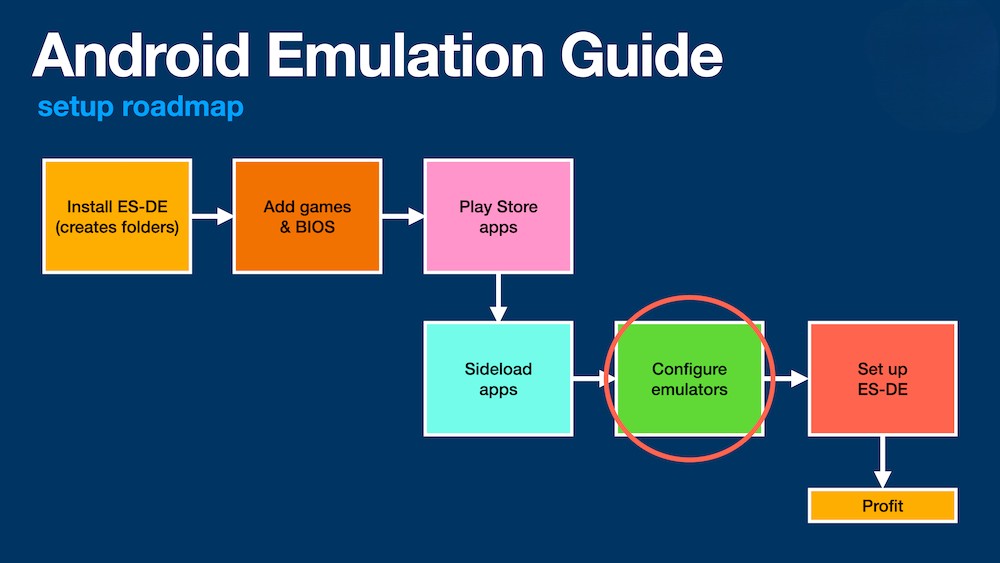
Installing a Gaming Emulator Setup typically involves downloading the official software and following the setup wizard. Allocating sufficient CPU and RAM ensures smooth performance. Virtualization support may need to be enabled in BIOS for optimal speed.
After installation, users can configure screen resolution, input devices, and graphical settings. Customizing key mapping, gamepads, and performance options ensures that games run without lag and provides a more immersive experience.
Optimizing Performance
To maximize your Gaming Emulator Setup, several optimization techniques are important. Assigning higher CPU cores, adjusting RAM allocation, and enabling hardware acceleration improve overall performance. Updating graphics drivers and the emulator software itself ensures stability.
Many emulators also offer FPS boosting, macro recording, and multi-instance synchronization. Gamers can achieve smoother gameplay and faster loading times, while developers can run multiple test environments without system strain.
Gaming Emulator Setup for Streaming
For content creators, a Gaming Emulator Setup provides a platform to stream games seamlessly. Screen recording, live streaming integration, and customizable overlays allow for professional-quality content. Platforms like OBS and Streamlabs work perfectly with emulators for streaming gameplay.
Macro features and controller support enable smooth, uninterrupted gameplay, enhancing the viewer experience. Streamers can manage multiple instances or games simultaneously, making emulators a versatile tool for content creation.
Cross-Platform Compatibility
Modern Gaming Emulator Setup options are designed to work across Windows, Mac, and sometimes Linux. Cross-platform compatibility ensures that games and applications run consistently, regardless of the operating system. This flexibility is ideal for users switching devices or collaborating with others.
Some emulators also support cloud saving and account synchronization, allowing users to continue their games or projects seamlessly. Cross-platform support enhances usability and convenience for gamers, developers, and creators alike.
Security Considerations
Using a Gaming Emulator Setup requires caution. Downloading emulators from official sources reduces the risk of malware or spyware. Emulators often provide sandboxed environments, which protect the host system from harmful files or unauthorized access.
Users should avoid installing unknown APKs or external content. Security measures such as firewalls, antivirus software, and sandboxing features further ensure a safe emulation environment.
Real-Life Applications
Gamers use Gaming Emulator Setup to play popular mobile and console games with enhanced control, visuals, and performance. Developers and testers leverage emulators to debug and optimize apps, ensuring smooth deployment. Content creators can record, stream, or produce tutorials with high-quality output.
This versatility makes emulators essential for anyone looking to bridge mobile or console gaming with PCs. The immersive experience, combined with advanced customization options, creates endless possibilities for entertainment and professional work.
Future of Gaming Emulators
The future of Gaming Emulator Setup includes more powerful performance, AI-enhanced optimization, cloud-based emulation, and support for emerging technologies like VR and AR. These advancements promise higher fidelity gaming experiences, better app testing, and smoother cross-platform integration.
As mobile and console gaming continues to expand, emulators will remain critical tools for players, developers, and content creators. Enhanced customization, performance, and security will define the next generation of gaming emulators.
Read also:
golden state warriors vs dallas mavericks match player stats
roblox skin
la clippers vs lakers match player stats
lakers vs new orleans pelicans match player stats