
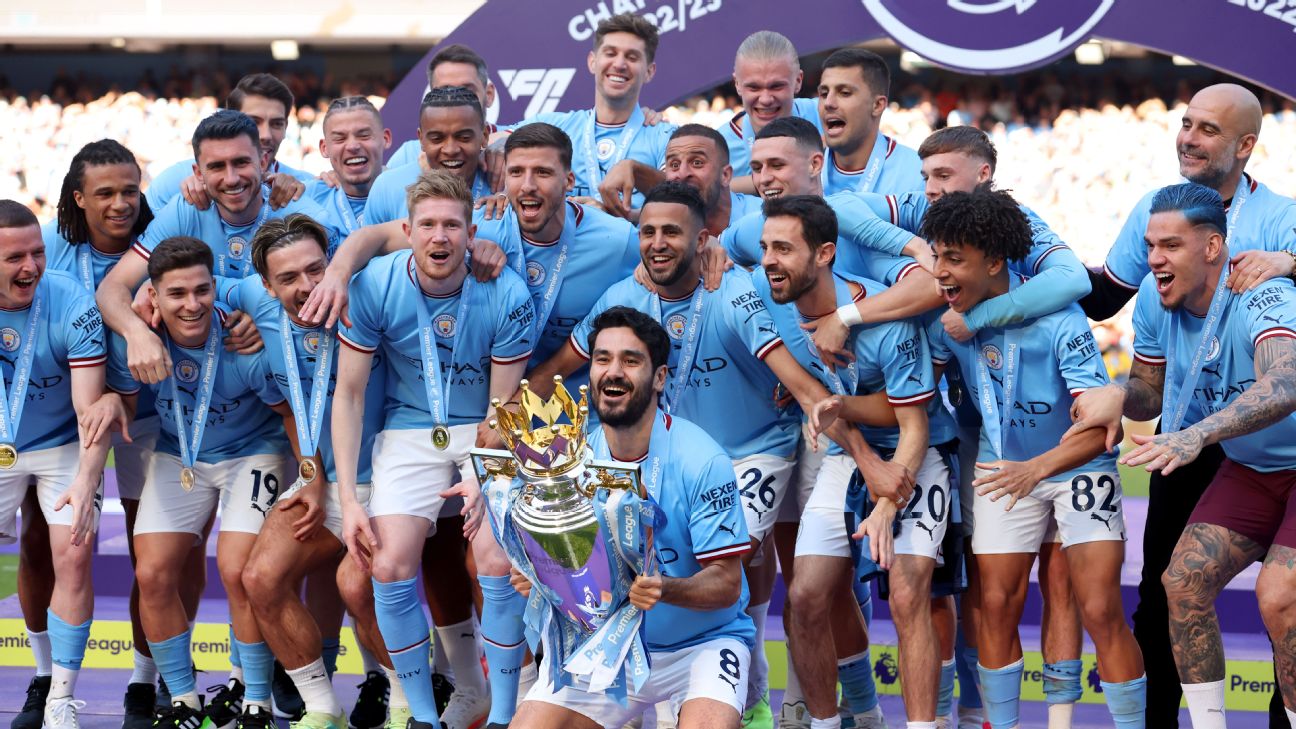
Football Club Rankings 2026 begin a new chapter in world football, where consistency, tactical evolution, financial strength, and elite talent define dominance. Modern football is no longer judged by trophies alone. Clubs are evaluated by squad depth, performance in continental competitions, global fanbase, and long-term sustainability.
As leagues grow more competitive and player quality reaches historic highs, rankings in 2026 reflect how clubs adapt to pressure, evolve tactically, and deliver results across multiple competitions.
Understanding How Football Club Rankings Are Evaluated
Football club rankings are built on multiple performance indicators. Domestic league results, continental success, head-to-head records, squad value, and managerial stability all play key roles.
Clubs that perform consistently across seasons earn higher credibility than teams that shine briefly. Rankings in 2026 emphasize long-term excellence over short-term glory.
The Global Shift in Football Power
European clubs still dominate world football, but the competition among them has never been closer. Tactical sophistication, sports science, and global scouting networks have narrowed the gap between elite teams.
Clubs from England, Spain, Germany, Italy, and France continue to set benchmarks, while others push hard to disrupt the established order.
Football Club Rankings 2026 Top Teams Overview
The clubs ranked highest in 2026 represent a blend of tradition, innovation, and relentless ambition. Their dominance is built not just on star players, but on club philosophy and infrastructure.
Elite Football Clubs Ranked in 2026
| Rank | Club Name | Country | League | Key Strength |
|---|---|---|---|---|
| 1 | Manchester City | England | Premier League | Tactical dominance |
| 2 | Real Madrid | Spain | La Liga | Big-match mentality |
| 3 | Bayern Munich | Germany | Bundesliga | Consistent excellence |
| 4 | Paris Saint-Germain | France | Ligue 1 | Star power |
| 5 | FC Barcelona | Spain | La Liga | Youth-driven rebuild |
These clubs define the highest standards in modern football and shape global trends.
Manchester City and Tactical Supremacy
Manchester City sit at the top due to their unparalleled tactical control and squad depth. Under elite management, they dominate possession, press intelligently, and adapt seamlessly during matches.
City’s success comes from intelligent recruitment, youth integration, and a playing style that overwhelms opponents across competitions.
Real Madrid and the Power of Legacy
Real Madrid remain synonymous with European greatness. Their ability to perform under pressure sets them apart from every other club.
Madrid’s balance of experienced leaders and young stars ensures continued dominance in major tournaments, keeping them firmly at the top of the rankings.
Bayern Munich’s Culture of Consistency
Bayern Munich exemplify sustained excellence. Season after season, they maintain dominance domestically while remaining competitive in Europe.
Their club culture prioritizes discipline, physicality, and tactical clarity, which translates into consistent success.
Paris Saint-Germain and Global Star Appeal
Paris Saint-Germain combine financial power with world-class talent. Their global appeal and attacking flair make them one of the most watched clubs worldwide.
While domestic success is expected, PSG’s ranking reflects their growing maturity in high-pressure continental matches.
Barcelona’s Tactical Rebirth
FC Barcelona have rebuilt their identity through youth development and tactical clarity. Their renewed emphasis on positional play has restored competitiveness.
Young talents blending with experienced leaders have pushed Barcelona back into elite discussions.
Premier League Influence on Global Rankings
The Premier League remains the most competitive domestic league. Clubs face relentless schedules and high-quality opposition every week.
English teams benefit from financial strength, advanced analytics, and global exposure, boosting their ranking positions.
La Liga’s Tactical Brilliance
Spanish clubs excel in technical and tactical football. La Liga teams emphasize ball control, intelligent movement, and structured pressing.
This tactical sophistication keeps Spanish clubs consistently ranked among the world’s best.
Bundesliga’s Development Model
German clubs prioritize youth development and sustainability. This approach ensures long-term competitiveness and financial stability.
Bundesliga teams consistently produce elite players who perform on the biggest stages.
Serie A’s Defensive Renaissance
Italian clubs have reinvented themselves tactically. Modern Serie A blends defensive intelligence with attacking creativity.
This evolution has strengthened Italy’s presence in global club rankings.
Ligue 1’s Growing Competitive Edge
French clubs benefit from elite youth academies and physical athleticism. Ligue 1 continues to produce world-class talent.
Clubs like PSG elevate the league’s global ranking impact.
The Role of Managers in Club Rankings
Elite managers influence rankings through tactical innovation and leadership. Coaches who adapt to changing game dynamics create competitive advantages.
Stability in management often correlates with higher ranking consistency.
Squad Depth and Injury Management
Modern football demands rotation and depth. Clubs with strong benches maintain performance levels across competitions.
Effective injury management significantly influences ranking outcomes.
Youth Academies and Long-Term Success
Clubs investing in youth academies build sustainable success. Homegrown players reduce transfer dependency and strengthen identity.
Youth development is now a ranking factor beyond immediate results.
Financial Stability and Club Growth
Financial health ensures consistent investment in infrastructure and talent.
Clubs balancing spending with revenue generation perform better over time.
European Competitions as Ranking Catalysts
Champions League and Europa League performances heavily impact global rankings.
Success against elite opponents validates a club’s strength.
Tactical Flexibility in Modern Football
Clubs capable of switching formations and strategies gain competitive advantages.
Tactical flexibility reflects managerial intelligence and squad adaptability.
Fanbase and Global Influence
Global fan engagement increases revenue and brand value.
Clubs with massive international followings strengthen their global standing.
Data Analytics and Performance Optimization
Advanced analytics guide training, recruitment, and match preparation.
Data-driven decisions enhance on-field performance and consistency.
The Psychological Edge of Elite Clubs
Mental resilience separates elite teams from contenders.
Handling pressure defines ranking sustainability.
Rivalries That Shape Club Identity
Historic rivalries elevate performance levels.
High-stakes matches test tactical and mental strength.
Infrastructure and Training Facilities
World-class facilities improve player development and recovery.
Infrastructure investment reflects long-term ambition.
Player Leadership and Dressing Room Culture
Strong leadership fosters unity and discipline.
Positive culture translates into consistent results.
Adaptation to Football’s Rapid Evolution
Football evolves tactically and physically.
Clubs adapting quickly maintain ranking relevance.
Media Pressure and Expectations
Elite clubs operate under constant scrutiny.
Managing expectations is crucial for sustained success.
The Globalization of Club Football
International tours and marketing expand club reach.
Global presence enhances financial and ranking power.
Competitive Balance and League Strength
Stronger leagues raise club competitiveness.
High-level domestic competition improves international results.
Legacy Clubs vs Emerging Giants
Traditional giants face challenges from ambitious newcomers.
This competition enriches global rankings.
Why Football Club Rankings 2026 Matter
Football Club Rankings 2026 reflect more than trophies. They capture consistency, adaptability, and global influence.
These rankings shape perceptions, sponsorships, and future growth paths.
The Continuous Battle for Football Supremacy
Football remains unpredictable and dynamic.
Rankings evolve with every season, keeping the sport thrilling.
Clubs That Shape Football’s Future
Elite clubs influence playing styles, youth development, and global trends.
Their decisions shape the game’s future.
The Ever-Changing Hierarchy of World Football
No position is permanent in modern football.
Continuous improvement is the only path to sustained success.
Football Club Rankings 2026 showcase the clubs that mastered modern football’s demands through strategy, leadership, and relentless ambition, defining excellence on the global stage.
Read also:
brazil national football team vs colombia national football team lineups
ecuador national football team vs argentina national football team lineups
england women’s national football team vs spain women’s national football team lineups
indonesia national football team vs saudi arabia national football team lineups