
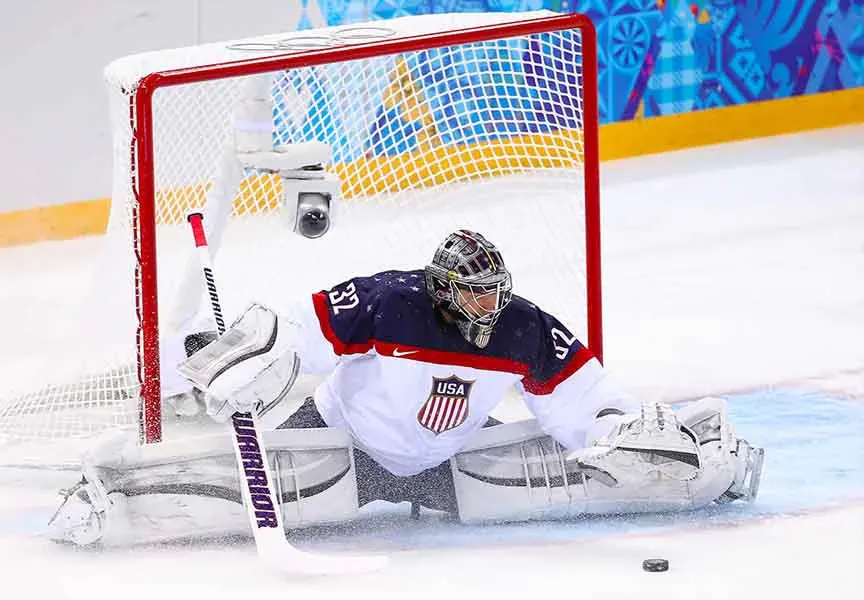
Hockey goalkeeping tips are often what stand between a routine save and a game-changing moment that shifts the momentum of an entire match. Whether you are a beginner stepping into the pads for the first time or an experienced keeper looking to refine elite-level skills, goalkeeping in hockey is both a science and an art built on trust, repetition, and decision-making under pressure.
Unlike outfield players, a goalkeeper lives with every mistake. One lapse in concentration can erase 60 minutes of flawless performance. That reality is why the best goalkeepers in the world obsess over fundamentals, mental discipline, and continuous learning. These principles are not reserved for professionals alone. They apply equally to youth players, college athletes, and weekend league competitors.
This guide is built on real match scenarios, coaching experience, and performance psychology to deliver practical, field-tested insights. Every section reflects modern hockey demands, ensuring relevance for today’s fast-paced game.
Understanding the Goalkeeper’s Role in Modern Hockey
In today’s hockey, the goalkeeper is no longer just a shot-stopper. They are the final decision-maker, the organizer of the defense, and often the emotional anchor of the team. Modern systems require goalkeepers to read the game early, communicate constantly, and initiate counterattacks with smart distribution.
Experienced coaches emphasize that goalkeeping begins before the opponent enters the shooting circle. Positioning, anticipation, and awareness allow the keeper to appear bigger, calmer, and more confident. This presence alone can influence attackers’ decisions, forcing rushed shots or poor angles.
Elite keepers study patterns rather than reacting blindly. They observe striker tendencies, passing lanes, and team formations. Over time, this awareness becomes instinctive, allowing faster reactions without panic.
Hockey goalkeeping tips for Mastering Stance and Positioning
Hockey goalkeeping tips often start with stance because it affects every movement you make. A balanced stance ensures faster reactions and reduces unnecessary energy loss.
Your feet should be shoulder-width apart, knees slightly bent, and weight distributed evenly on the balls of your feet. Hands must stay forward, not glued to the pads, allowing immediate response to deflections and rebounds. A common mistake among developing goalkeepers is standing too upright, which delays lateral movement.
Positioning is about angles, not guesswork. A well-positioned keeper forces shooters to aim for perfection. When aligned correctly with the ball and the center of the goal, even powerful shots become manageable. Coaches often say that good positioning makes average reflexes look exceptional.
Professional keepers train positioning relentlessly through repetition, shadow drills, and video analysis. These habits translate directly into match confidence.
Reading the Game Before the Shot Happens
Great goalkeepers save shots before they are taken. Reading body language is a critical but underrated skill. The angle of the attacker’s hips, the position of the stick, and the speed of approach all provide clues about the intended shot.
Anticipation does not mean guessing. It means recognizing patterns developed through experience. For example, a striker approaching from the baseline with limited angle is more likely to attempt a near-post flick or a reverse hit. Being mentally prepared for those options reduces reaction time significantly.
Young goalkeepers often struggle here because they focus only on the ball. With time and coaching, they learn to read the entire attacking structure. This awareness transforms panic into patience.
Developing Lightning-Fast Reflexes Naturally
Reflexes are partly genetic, but they are largely trainable. Reaction speed improves when training mirrors real-game situations. Randomized shot drills, deflection exercises, and close-range reaction work force the brain to adapt quickly.
Top-level coaches discourage over-reliance on predictable drills. Instead, they encourage chaos-based training that replicates unpredictable match moments. This approach conditions the nervous system to remain calm under pressure.
Equally important is recovery. Overtraining reflex drills can lead to fatigue and slower reactions. Smart goalkeepers balance intensity with rest, understanding that sharpness comes from quality, not exhaustion.
Mental Toughness: The Invisible Skill That Wins Matches
Mental resilience defines elite goalkeepers more than physical talent. One conceded goal should never affect the next save. This emotional reset ability separates professionals from amateurs.
Visualization is a powerful mental tool. Many international goalkeepers mentally rehearse saves before matches. This practice builds familiarity and confidence, reducing anxiety during real scenarios.
Another critical mental habit is controlled breathing. Slow, deep breaths after intense moments help stabilize heart rate and refocus attention. This simple technique prevents emotional spirals after mistakes.
Coaches consistently observe that mentally strong goalkeepers recover faster and communicate more effectively with defenders.
Communication and Leadership from the Back
A silent goalkeeper is a liability. Effective communication organizes the defense and prevents scoring opportunities before they develop. Clear, confident commands guide defenders into proper marking and positioning.
Leadership does not require shouting constantly. It requires timely, purposeful communication. Calling out free attackers, warning of back-post runs, and directing penalty corner setups builds trust within the defensive unit.
Experienced teams rely heavily on their goalkeeper’s perspective because they see the entire field. When communication flows well, defensive structures remain compact and disciplined.
Hockey goalkeeping tips for Penalty Corner Excellence
Hockey goalkeeping tips for penalty corners focus on preparation rather than reaction. Penalty corners are high-pressure situations where milliseconds matter.
Successful goalkeepers study opposition routines in advance. Knowing preferred injectors, hitters, and drag-flickers allows quicker recognition during execution. Positioning slightly forward reduces reaction distance while maintaining balance.
Confidence during penalty corners often intimidates attackers. A calm, composed keeper forces errors by projecting control. Even conceded goals should not alter body language, as confidence itself influences the next attempt.
Training penalty corners repeatedly under match-like pressure builds familiarity and reduces anxiety during competitive play.
Equipment Fit and Maintenance for Peak Performance
Well-fitted equipment enhances mobility and safety. Ill-fitting pads restrict movement and increase injury risk. Professional goalkeepers regularly adjust straps, padding angles, and glove fit to match personal style.
Stick length and balance also affect save efficiency. A slightly heavier stick provides stability during low saves, while lighter options improve quick reactions. Personal preference develops through experimentation and experience.
Equipment maintenance is often overlooked but crucial. Worn straps or loose padding can cause distractions during matches. Serious goalkeepers treat gear care as part of training discipline.
Building Consistency Through Smart Training Habits
Consistency does not come from occasional brilliance. It comes from structured training routines and honest self-evaluation. Keeping a training journal helps identify strengths, weaknesses, and recurring mistakes.
Video analysis accelerates improvement dramatically. Watching match footage reveals positioning errors and decision-making patterns invisible during play. Many elite keepers credit video review as a turning point in their development.
Rest and recovery are equally important. Overtraining increases injury risk and mental burnout. Balanced schedules ensure longevity and sustained performance throughout the season.
Nutrition and Physical Conditioning for Goalkeepers
Goalkeepers require explosive power, flexibility, and endurance. Conditioning programs should emphasize core stability, hip mobility, and leg strength. These attributes support rapid lateral movement and controlled landings.
Nutrition supports training output and recovery. Hydration, balanced macronutrients, and proper timing of meals affect reaction speed and stamina. Professional goalkeepers often work with nutritionists to optimize performance.
Sleep is another underrated factor. Quality rest enhances cognitive function and reaction time, directly impacting match-day performance.
Learning from Mistakes Without Losing Confidence
Every goalkeeper concedes goals. What matters is how you respond. Post-match reflection should focus on learning, not self-blame. Identifying controllable factors promotes growth without damaging confidence.
Constructive feedback from coaches accelerates improvement. Trusting the coaching process builds resilience and prevents emotional burnout. The best keepers remain students of the game regardless of experience level.
Confidence grows when preparation meets opportunity. When training habits align with match demands, mistakes become stepping stones rather than setbacks.
Hockey goalkeeping tips for Long-Term Career Growth
Hockey goalkeeping tips for long-term success emphasize adaptability. The game evolves constantly, and goalkeepers must evolve with it. Rule changes, playing surfaces, and tactical trends influence goalkeeper responsibilities.
Networking within the hockey community opens opportunities for mentorship and advanced training. Learning from experienced keepers shortens the learning curve and provides valuable perspective.
Passion sustains longevity. Goalkeepers who genuinely enjoy the process of improvement remain motivated through challenges and setbacks. This intrinsic drive fuels consistent excellence season after season.
Final Notes on Applying These Insights in Real Matches
The true value of this guide lies in application. Knowledge becomes power only when practiced deliberately. Small adjustments in positioning, mindset, and communication create significant performance gains over time.
Goalkeeping is a journey shaped by discipline, humility, and continuous learning. With commitment and patience, every goalkeeper can elevate their game and become the reliable presence every team needs.
Read also:
@xannytech.net
www.xannytech.net
techgues.com
dallas mavericks vs golden state warriors match player stats