
Warning: Object of class WP_Post could not be converted to int in /home/boztmxfb/glamoursinsider.com/wp-content/plugins/poststreamline/poststreamline.php on line 558
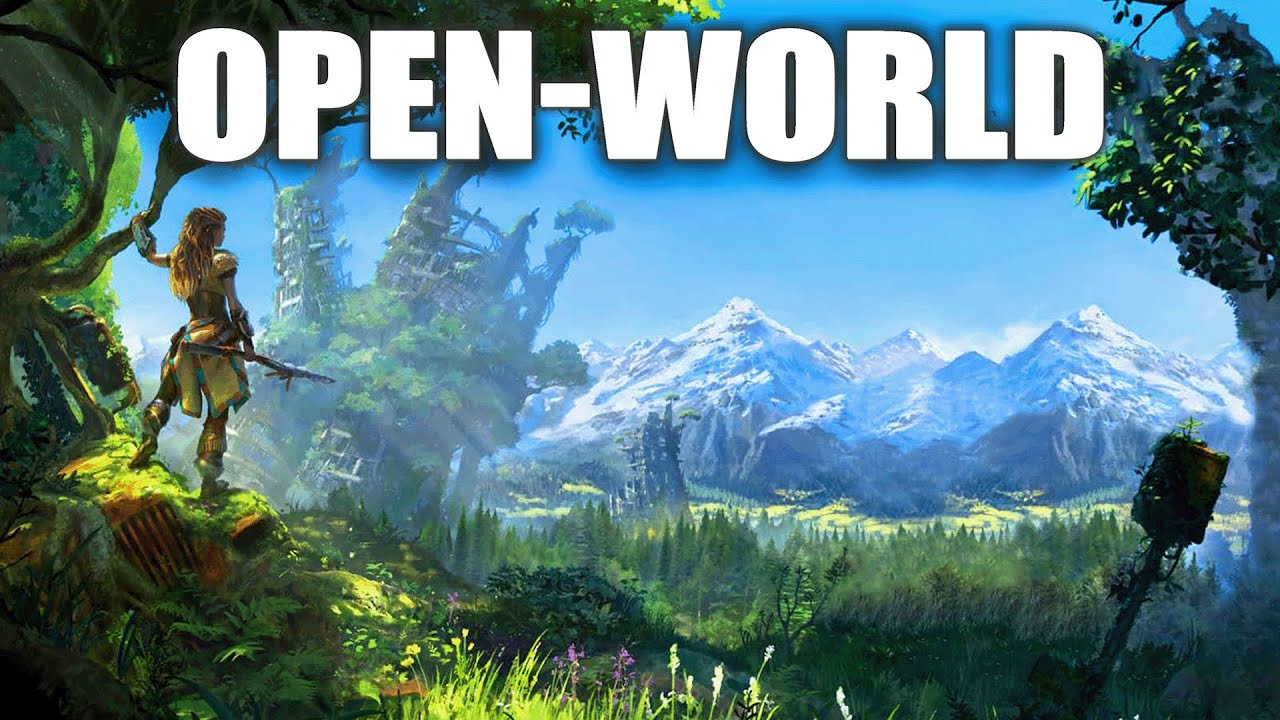
Open-world game exploration begins the moment a player steps into a vast digital world with no fixed path. Instead of following linear missions, players are free to roam landscapes, uncover secrets, and shape their own journeys. This freedom creates a deep emotional connection, making every decision feel personal and meaningful.
Many gamers recall their first open-world experience as unforgettable. Whether riding across massive plains or climbing distant mountains just to see what lies beyond, the sense of curiosity fuels long-lasting engagement and replay value.
The evolution of open-world game exploration in modern gaming
The concept of open-world game exploration has evolved significantly over the years. Early titles offered limited roaming, while modern games deliver living ecosystems with dynamic weather, NPC behaviors, and reactive storytelling. Developers now focus on organic discovery rather than forced objectives.
Games like The Legend of Zelda: Breath of the Wild revolutionized exploration by trusting players to experiment freely. This shift proved that gamers value autonomy and creative problem-solving over scripted experiences.
Environmental storytelling and player immersion
A major strength of open-world game exploration lies in environmental storytelling. Instead of relying on cutscenes, games communicate history through ruins, abandoned camps, and subtle visual cues scattered across the map. Players piece together stories simply by exploring.
This design approach builds immersion and rewards curiosity. When players discover hidden lore on their own, the experience feels authentic and deeply satisfying, strengthening emotional investment in the game world.
Open-world game exploration and player-driven narratives
Open-world game exploration allows players to create unique narratives based on choices and discoveries. Two players can explore the same world yet have completely different stories due to varied paths, side quests, and encounters.
Titles like The Witcher 3: Wild Hunt demonstrate how optional exploration can reveal powerful character arcs. These moments often become more memorable than main story missions because players find them naturally.
World design that encourages curiosity
Effective open-world game exploration depends heavily on thoughtful world design. Developers use landmarks, lighting, sound, and terrain variation to subtly guide players without obvious instructions. Mountains, towers, and distant structures spark curiosity and invite investigation.
When exploration feels intuitive rather than forced, players remain engaged longer. Well-designed worlds respect player intelligence and reward those who venture off the beaten path.
Role of traversal mechanics in exploration
Traversal plays a crucial role in open-world game exploration. Mechanics like climbing, gliding, swimming, and fast travel determine how accessible and enjoyable exploration feels. Smooth movement systems remove frustration and enhance discovery.
Games such as Assassin’s Creed Odyssey refined traversal by blending parkour with large-scale navigation. This balance ensures exploration feels adventurous rather than tedious, encouraging players to keep moving forward.
Open-world game exploration and side content depth
Side quests are essential to open-world game exploration, offering depth beyond the main storyline. Meaningful side content expands the world and adds emotional weight through character-driven stories and moral choices.
Players often remember side quests more vividly than primary missions when they reveal unexpected twists or relatable themes. This depth transforms exploration into a rewarding narrative experience rather than simple map clearing.
Dynamic systems that shape exploration
Modern open-world game exploration thrives on dynamic systems such as weather, wildlife behavior, and day-night cycles. These systems make the world feel alive and unpredictable, influencing how players explore and interact.
For example, storms can change travel routes, while wildlife encounters create emergent gameplay moments. Such systems ensure no two exploration sessions feel exactly the same.
Open-world game exploration in multiplayer environments
Multiplayer has added a new dimension to open-world game exploration. Cooperative exploration allows friends to share discoveries, tackle challenges together, and create shared memories. Competitive elements also add unpredictability.
Games like GTA Online and Elden Ring blend solo exploration with online interactions, offering both freedom and social engagement. This hybrid approach broadens the appeal of open-world experiences.
Emotional connection through discovery
Discovery-driven open-world game exploration fosters emotional connections between players and virtual worlds. Finding a hidden village or secret boss creates a sense of achievement that scripted gameplay cannot replicate.
These moments resonate because they feel earned. Players invest time and curiosity, making discoveries more impactful and personal.
Open-world game exploration and replay value
Replayability is a defining advantage of open-world game exploration. Multiple endings, branching quests, and unexplored regions encourage players to return for new experiences.
Even after completing the main story, many players continue exploring simply to uncover everything the world offers. This longevity strengthens player loyalty and community engagement.
Challenges developers face in open-world design
Designing compelling open-world game exploration is complex. Developers must balance freedom with structure, ensuring players do not feel lost or overwhelmed. Poor pacing or empty spaces can reduce engagement.
Successful games address these challenges by layering content intelligently and guiding exploration through environmental cues rather than rigid objectives.
Influence of technology on exploration experiences
Advancements in hardware and engines have elevated open-world game exploration. Faster loading times, detailed textures, and advanced AI enable larger, more interactive worlds without breaking immersion.
Technologies like ray tracing and procedural generation enhance realism and variety, allowing developers to craft expansive worlds that feel handcrafted and responsive.
Player psychology and exploration motivation
Understanding player psychology is vital to open-world game exploration. Curiosity, reward anticipation, and autonomy drive exploration behavior. Developers design systems that trigger these motivations naturally.
When players feel respected and empowered, exploration becomes enjoyable rather than obligatory. This psychological balance defines successful open-world titles.
Cultural impact of open-world exploration games
The rise of open-world game exploration has influenced gaming culture significantly. Streamers, speedrunners, and content creators showcase unique exploration paths, inspiring others to try different approaches.
Communities form around shared discoveries, theories, and hidden secrets. This cultural exchange extends the life of open-world games far beyond their release.
Future trends in open-world game exploration
The future of open-world game exploration points toward even greater immersion. AI-driven NPCs, adaptive storytelling, and player-shaped environments will redefine how worlds respond to exploration.
Virtual reality and augmented reality may further blur the line between player and world, creating exploration experiences that feel more real than ever before.
Why open-world game exploration remains timeless
At its core, open-world game exploration taps into a universal human desire to explore the unknown. It mirrors real-life curiosity, adventure, and discovery in a safe, imaginative space.
This timeless appeal ensures open-world exploration will continue evolving while remaining a cornerstone of modern gaming experiences.
Read also:
barapk org
addicting games
skillmachine net
game greblovz2004 about
