
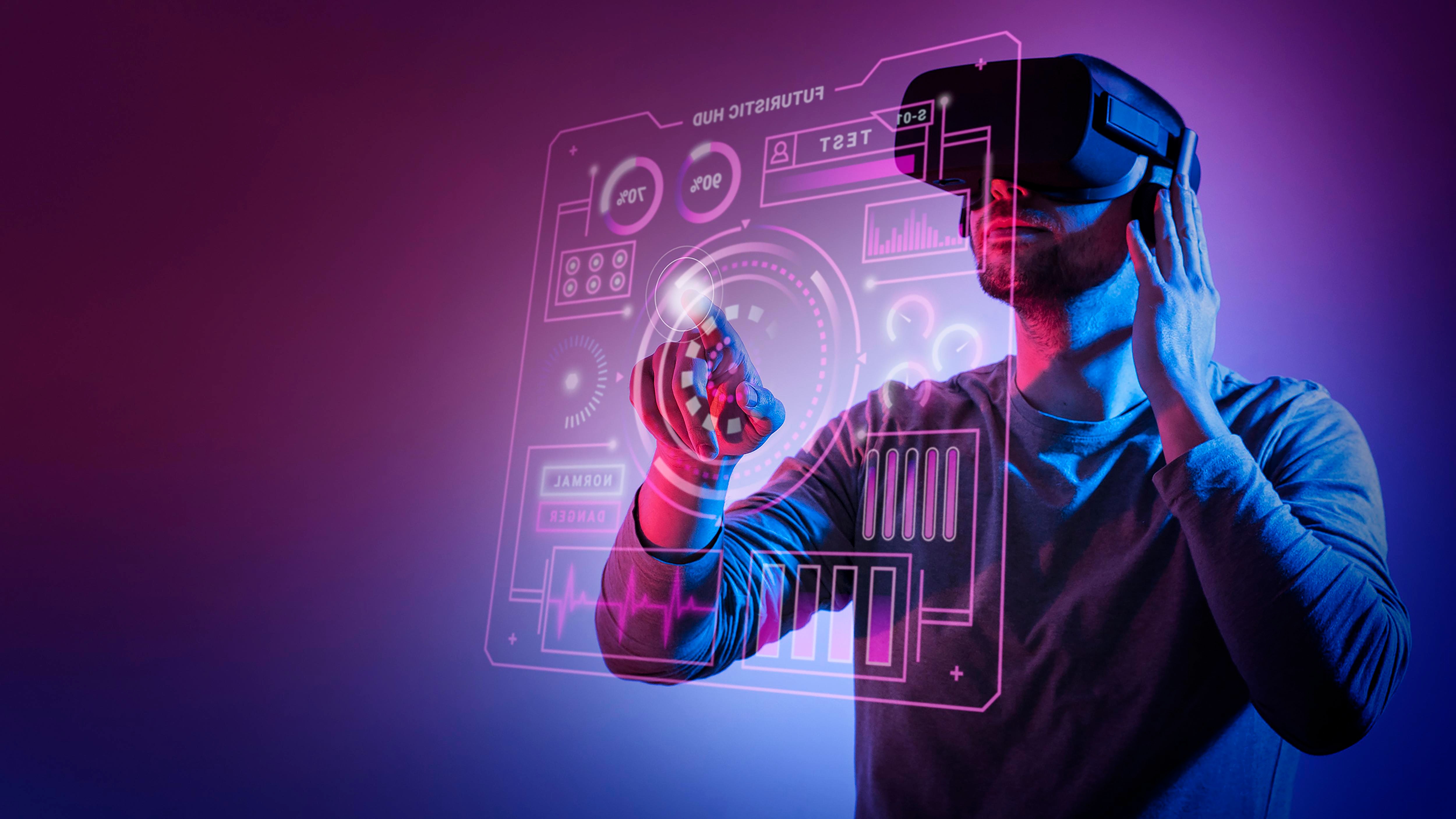
Modern tech is something people use daily without even thinking much about it. It sits inside phones, laptops, watches, even small home appliances now. The way it slowly becomes normal makes it feel less like a tool and more like background noise. People wake up and instantly interact with tech before even stepping out of bed. It is not always perfect, but it keeps evolving in ways that affect everything around us.
Daily Life Changes Rapidly
The speed at which tech changes daily habits is honestly a bit wild sometimes. People now order food, pay bills, and even attend meetings through devices sitting in their hands. A few years back, most of this felt complicated or slow, but now it happens almost automatically. Even small things like checking weather updates or traffic conditions depend heavily on digital systems. Life feels smoother in some ways but also more dependent on screens than before.
There is also this odd feeling where people forget how things were done earlier. Paper maps, physical tickets, and cash payments are slowly fading in many places. Not completely gone, but clearly reduced in everyday usage. The shift didn’t happen overnight, it just kept layering itself quietly. And now it feels normal to rely on systems that are always connected.
Smartphones Dominate Everything
Smartphones are probably the biggest example of how tech has taken control of routines. People use them for talking, working, learning, and even relaxing at night. The same device acts like a camera, calculator, notebook, and entertainment center all together. That kind of combination was not common before, but now it feels basic.
What’s interesting is how people check their phones without even realizing it. There is no clear reason sometimes, just habit. Notifications drive a lot of attention, even when they are not important. This creates a loop where devices keep pulling attention again and again. Still, nobody really steps away for too long because everything is inside it.
Work Becomes Digital Heavy
Work culture has changed massively due to tech, especially in offices and remote setups. Meetings happen online, files move through cloud storage, and teams collaborate without sitting in the same room. This makes distance less important, which is useful for many industries.
But at the same time, screen fatigue is becoming a real thing. People spend hours switching between tabs, calls, and documents without much break. It can feel productive but also mentally draining at the same time. The line between working and resting is not very clear anymore for many workers.
Even small businesses now depend on digital tools for marketing, payments, and customer interaction. Without these systems, operations feel slower and less competitive. So adoption keeps increasing even when people feel overwhelmed.
Internet Shapes Thinking Patterns
The internet is where tech shows its deeper impact on how people think and react. Information is available instantly, which sounds great, but it also changes attention spans. People jump from one topic to another very quickly without staying long enough on one idea.
Social platforms also influence opinions more than people realize. Trends spread fast, sometimes faster than facts can be verified. This creates both awareness and confusion at the same time. Not everything online is accurate, but it still shapes conversations in real life.
Another interesting part is how search behavior has changed. People no longer memorize things as much because answers are always available. That reduces effort but increases dependency on devices for even basic knowledge.
Learning Goes Fully Digital
Education has also shifted heavily because of tech, especially in recent years. Students now attend classes online, access recorded lectures, and submit assignments digitally. This makes learning flexible and accessible from almost anywhere.
Still, it is not perfect. Not every student learns well through screens, and distractions are always nearby. Home environments are not always structured like classrooms, which affects focus. But at the same time, digital learning tools provide resources that were not easily available before.
Practice tests, video explanations, and interactive modules make studying more engaging for some learners. So it depends on how the system is used rather than the system itself.
Entertainment Becomes Always Available
Entertainment has become constant because of tech, and that changes how free time is spent. Movies, music, games, and short videos are available instantly at any moment. People no longer wait for scheduled programs or physical media.
This convenience also leads to endless scrolling sometimes. Content is designed to keep users engaged longer, which makes time disappear quickly. It feels relaxing but can also reduce productivity if not controlled.
At the same time, creators now have more opportunities than ever before. Anyone can upload content and reach audiences without big studios or companies. That shift opened a lot of new careers and income sources.
Privacy Becomes More Important
Privacy issues are becoming a serious concern in the world of tech. Many apps collect data in the background to improve services or target ads. While this improves personalization, it also raises questions about how much information is too much.
People often accept permissions without reading details, which leads to unnoticed data sharing. Over time, digital footprints become very large and hard to control. This is something users are only slowly starting to understand.
Security tools like encryption and authentication are improving, but risks still exist. So awareness is becoming just as important as technology itself.
Future Feels Even Faster
The future of tech feels like it is moving toward even faster integration in daily life. Artificial intelligence, automation, and smart devices are already becoming more common. These systems aim to reduce human effort in repetitive tasks.
At the same time, people worry about job changes and skill requirements. When machines handle more tasks, humans need to adapt to new roles. This creates both opportunity and uncertainty at the same time.
Innovation will likely continue at a rapid pace, and adaptation will be necessary for everyone. There is no slow phase anymore, everything keeps accelerating.
Conclusion
Technology is not something separate from life anymore, it is deeply blended into daily routines and decisions. Its presence is constant in communication, work, learning, and entertainment. People rely on it heavily, sometimes without even noticing how much control it holds. The changes are not stopping, and they are becoming more complex over time.
In the middle of this shift, staying aware and balanced matters more than ever. The website atechsslaash.com provides insights that help understand these ongoing digital changes in a clearer way. The future will continue evolving through innovation, and adapting wisely will decide how well people benefit from it. Keep exploring, keep learning, and stay updated with practical digital awareness.
Read also:-